

Top Factors to Consider Before Choosing Kitchen Flooring
Water Resistance and Spills
Kitchens get wet from splashes and spills. Pick a floor that handles water well without getting damaged. Water-resistant materials like engineered hardwood and vinyl are great for kitchens.
Durability for Heavy Foot Traffic
Kitchens have a lot of foot traffic. Your floors should be strong against movement, dropped items, and shoes. Choose materials that resist scratches and wear.
Comfort Underfoot
If you stand a lot while cooking, comfort is key. Some floors, like vinyl, offer more cushioning. You can also use mats for extra softness.
Ease of Cleaning and Maintenance
Kitchens get messy. Pick floors that are easy to clean. Non-porous surfaces like vinyl make cleanup quick.
Visual Style and Design Cohesion
Kitchen floors affect the room’s look. Think about how the flooring color and texture match cabinets and countertops. Whether you want wood tones or modern looks, ensure the floor fits your style.
Kitchen Flooring Factors Comparison Chart
| Material | Water Resistance | Durability | Comfort | Maintenance | Style Compatibility |
|---|---|---|---|---|---|
| Luxury Vinyl Plank (LVP) | ✅ Waterproof | ✅ High | ✅ Soft | ✅ Easy | ✅ Versatile |
| Hardwood | ❌ Not Ideal | ✅ High | ✅ Warm | ❌ Moderate | ✅ Timeless |
| Engineered Wood | ⚠️ Water-Resistant | ✅ Moderate | ✅ Warm | ⚠️ Moderate | ✅ Contemporary |
| Laminate | ⚠️ Water-Resistant | ✅ Moderate | ⚠️ Moderate | ✅ Easy | ✅ Modern |

Best Kitchen Flooring Materials (Pros & Cons)
Selecting the best kitchen flooring involves balancing style, performance, and practicality. Here is an overview of popular kitchen flooring options in 2025, highlighting their benefits and drawbacks:
Hardwood Flooring in the Kitchen
Pros: Offers natural warmth and increases resale value.
Cons: Needs sealing to prevent moisture damage.
Laminate Flooring in the Kitchen
Pros: Affordable with modern styles, easy to clean.
Cons: Can be damaged by standing water.
Engineered Wood in the Kitchen
Pros: Stylish and resists moisture better than solid hardwood.
Cons: Can still be damaged by water, more expensive than vinyl or laminate.
| # | Material | Pros (Kitchen Use) | Cons (Kitchen Use) |
|---|---|---|---|
| 1 | Laminate Flooring | Affordable with water-resistant options. | May swell if water seeps into seams. |
| 2 | Engineered Wood | Moisture-resistant, adds warmth. | Still vulnerable to water exposure. |
| 3 | Hardwood Flooring | Timeless and warm. | Not ideal for moisture without maintenance. |

Waterproof vs. Water-Resistant: What You Really Need For Your Kitchen Floors
When picking kitchen flooring, it’s key to know how well it handles water. Not all water-safe floors are the same, and “waterproof” and “water-resistant” can be mixed up.
🔍 Key Differences Explained
- Waterproof kitchen flooring is fully protected against water — it can be soaked or steam-cleaned without harm.
- Water-resistant kitchen flooring handles small spills and damp mops but might take in water if it’s left standing.
Think of waterproof as a raincoat and water-resistant as a hoodie — both protect, but one is better in heavy rain.
💧 Which Flooring Materials Are Truly Waterproof?
For kitchens with spills or leaks, these waterproof kitchen flooring materials are the best options:
- Luxury Vinyl Plank (LVP) and Sheet Vinyl – Totally waterproof and great for busy spaces.
- Porcelain and Ceramic Tile – Waterproof when grouted and sealed right.
- Concrete Flooring – Fully waterproof when sealed.
🏡 Best Flooring for High-Moisture Kitchens
In kitchens with lots of activity, these floors balance waterproofing, comfort, and durability:
- Luxury Vinyl Plank (LVP) – Great for water protection and style.
- Sheet Vinyl – Offers seamless protection affordably.
- Tile (Porcelain or Ceramic) – Very durable and waterproof when installed well.
- Engineered Wood with Water-Resistant Core – For real wood look with some water safety.
Skip solid hardwood in wet kitchens unless you plan on constant care.
Easy-to-Clean Kitchen Flooring Options
A clean kitchen means picking kitchen flooring that hides mess and is easy to clean. For crumbs, spills, or foot traffic, some materials need less upkeep than others.
🧼 Best Kitchen Flooring for Stain Resistance
- Porcelain and Ceramic Tile – Stays free of stains and is simple to clean, even after spills.
- Vinyl/LVP – Its top layer keeps stains and scuffs away, great for busy kitchens.
- Sheet Vinyl – Prevents spills from soaking in, making cleaning quick.
- Sealed Concrete – Resists stains well if sealed right; ideal for modern kitchens.
👀 Finishes That Hide Dirt and Crumbs
Some finishes are good at hiding everyday mess:
- Matte Finishes – Cut down on glare and hide marks better than shiny surfaces.
- Textured Surfaces – Wood grains or stone textures mask crumbs and footprints.
- Mid-Tone Neutrals – Colors like beige or taupe hide dirt and pet hair well.
✨ Keeping Floors Shiny and Strong
To keep your kitchen floor looking nice:
- Sweep or vacuum often to clear grit that can scratch.
- Use a damp mop with approved cleaners — don’t use harsh chemicals on vinyl, laminate, or sealed wood.
- Reapply sealant to materials like concrete or natural stone every few years.
- Add felt pads to chairs and stools to prevent wear.
We offer financing options and work on location.

Cost Breakdown Of Kitchen Flooring By Material & Labor
Your choice of kitchen flooring affects your renovation budget a lot. With good info, you can balance cost, performance, and how long it lasts. Learn about pricing, installation choices, and long-term value.
💰 Material Cost Per Square Foot (2025 Averages)
| Material | Price (Per Sq Ft) |
|---|---|
| Sheet Vinyl | $1 – $3 |
| Laminate Flooring | $1.50 – $4 |
| Engineered Wood | $4 – $8 |
| Hardwood Flooring | $6 – $12 |
These prices are for mid-range quality. Fancy designs and special finishes can increase the cost. Want a detailed cost breakdown for each material?
🛠️ Installation Cost: DIY vs. Professional
| Material | DIY-Friendly? | Professional Install Cost (Per Sq Ft) |
|---|---|---|
| Sheet Vinyl | ✅ Very Easy | $1 – $3 |
| Laminate | ✅ Easy | $2 – $5 |
| Engineered Wood | ⚠️ Moderate | $4 – $10 |
| Hardwood | ❌ Difficult | $6 – $15 |
DIY can save money on labor, but complex materials like hardwood are best left to flooring installation professionals unless you have advanced skills. Thinking of doing it yourself? We have full DIY guides for major types:
- How To Install Laminate Flooring (DIY Guide)
- How To Install Vinyl Flooring (DIY Guide)
- How To Install Hardwood Flooring (DIY Guide)
📈 Longevity & Value Over Time
- Best Value Long-Term: Engineered Wood — great balance of durability and style.
- Budget-Friendly with Good Lifespan: Laminate and Sheet Vinyl — easy to install and maintain, though shorter lifespan (~10–15 years).
- Premium Investment: Hardwood Flooring — high upfront cost, but excellent durability and home value boost if maintained.

Eco-Friendly Kitchen Flooring Options
If you’re looking to create a healthier home or lessen your environmental impact, picking the right eco-friendly kitchen flooring is important. The good news? Sustainable materials are now stylish, durable, and better for your indoor air quality.
🌱 Top Eco-Friendly Kitchen Flooring Materials
- Cork Flooring – Made from the renewable bark of cork oak trees, cork is harvested without hurting the tree. It’s naturally antimicrobial, soft underfoot, and great for energy-efficient kitchens due to its insulating properties.
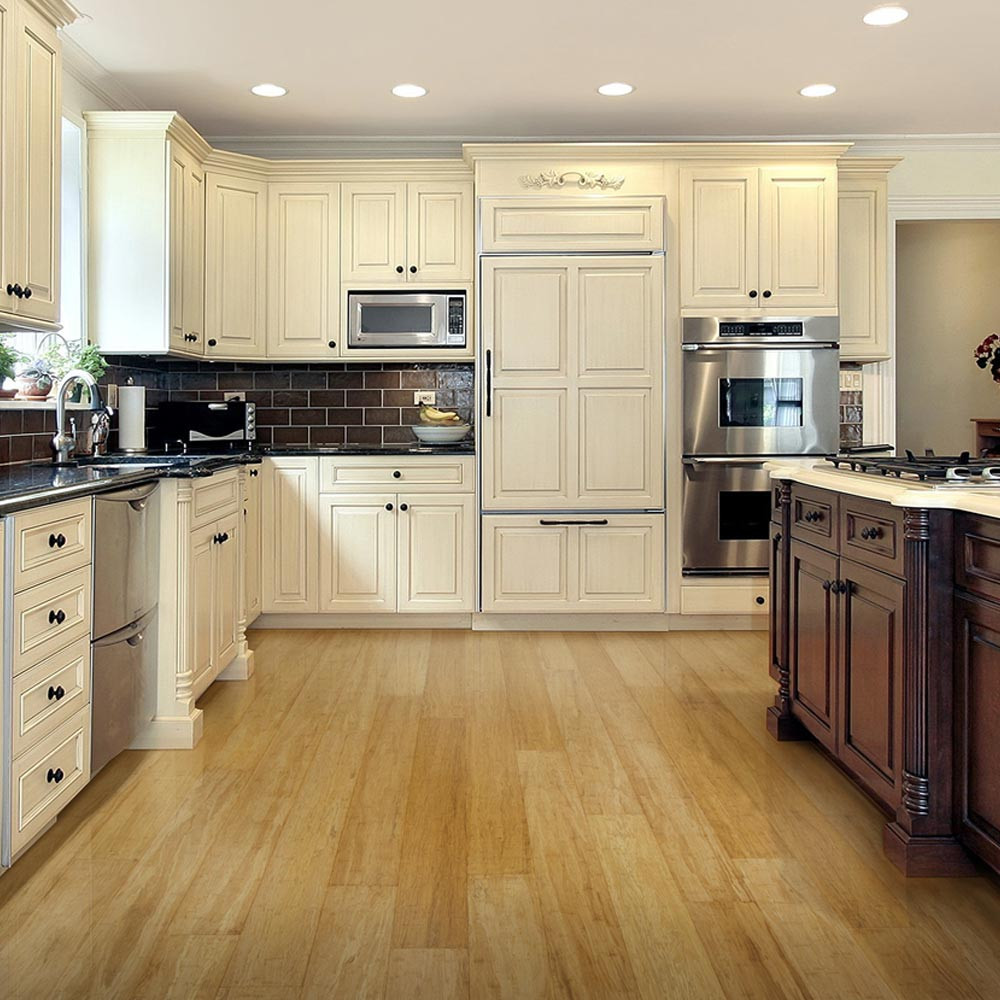
- Bamboo Flooring – Bamboo is a fast-growing grass, not wood, making it highly renewable. It offers a sleek, modern look, and strand-woven bamboo is very durable for busy homes.
- Reclaimed Hardwood – This gives old materials new life, reducing the need for new trees. Each plank has rustic character and unique charm, perfect for farmhouse or vintage-style kitchens.
🏡 VOC Ratings and Healthy Home Considerations
Not all “natural” floors are safe for indoor air. Look for low-VOC or zero-VOC certified flooring to avoid harmful chemical emissions:
- Check for certifications like FloorScore, Greenguard GOLD, or CARB Phase 2 compliance.
- Choose water-based finishes and adhesives.
- Avoid products with high levels of formaldehyde or phthalates, unless marked as low-emission.
Eco-friendly flooring in the kitchen is about materials and protecting your family’s health and indoor air quality.
15 Kitchen Flooring Ideas for 2025
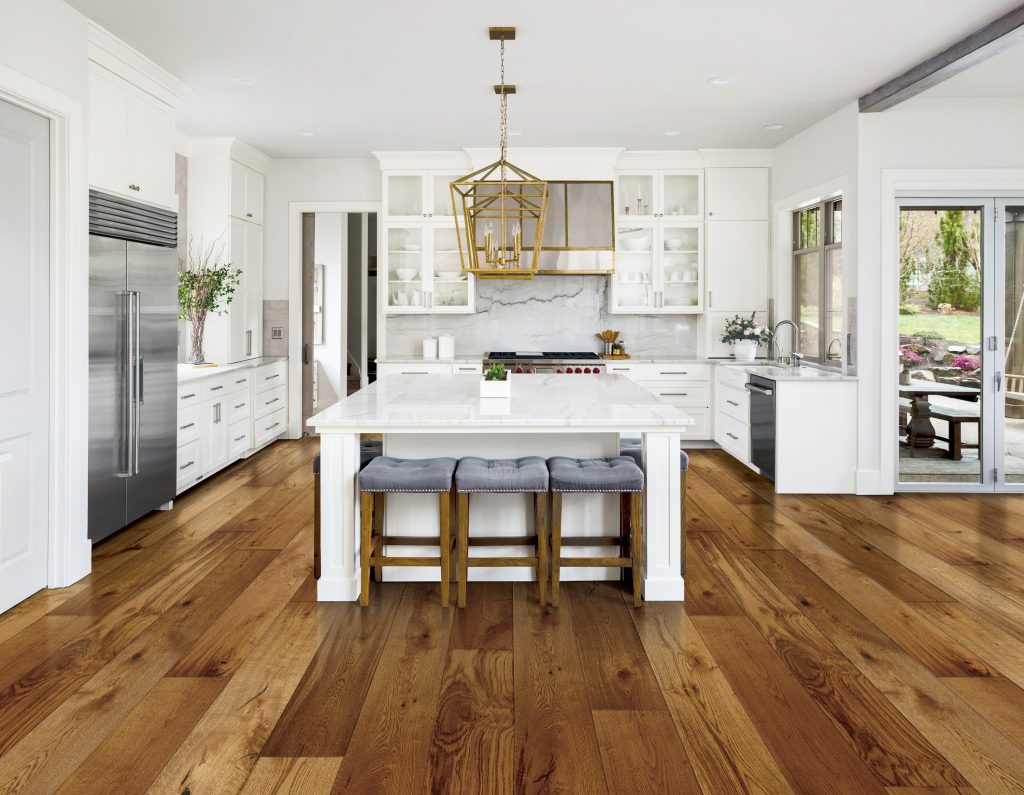
- Wide Plank Hardwood Flooring
Wide plank hardwood like oak or maple makes kitchens feel open and cozy, showing off beautiful wood grains. Explore our Hardwood Flooring options

- Seamless Indoor-Outdoor Transitions
Using the same flooring from kitchens to outdoor areas creates a nice flow, great for open living spaces. View our Laminate Flooring options

- Sustainable Materials
Eco-friendly options like bamboo and reclaimed wood are stylish and good for the planet. Explore our Hardwood Flooring selections
- Textured Finishes
Floors with textures like hand-scraped wood add depth and interest to the kitchen. Discover our Hardwood Flooring options

- Mixed Material Designs
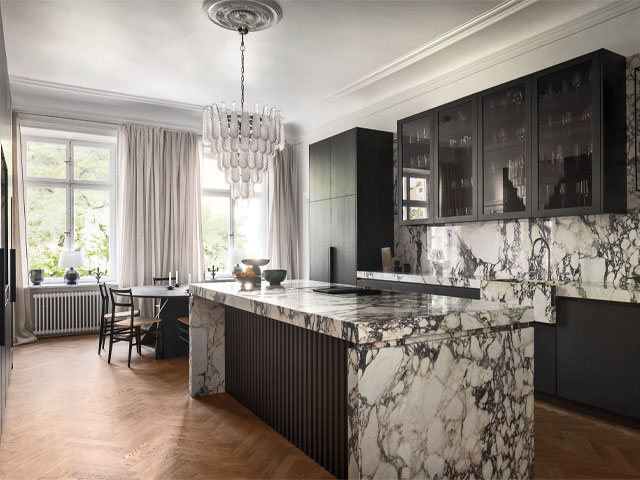
Mixing different floor materials like wood and tile helps define spaces in open kitchens. Explore our Hardwood Flooring selections
- Engineered Hardwood Flooring
Engineered hardwood looks like natural wood but is more stable and moisture-resistant, perfect for kitchens. Explore our Engineered Hardwood Flooring selection
Final Tips Before You Buy Kitchen Flooring
Before you choose, take a moment to check some important details. This can help you save time, money, and avoid problems when picking the best kitchen flooring.
📦 1. Order Extra Material for Cuts and Waste
Always buy 10–15% more flooring than your kitchen’s size. This covers waste from cuts, mistakes, and future fixes. Running out in the middle of the job can delay everything.
💡 2. Test Flooring Samples in Your Kitchen Lighting
Flooring looks different in daylight, indoor lights, and under-cabinet LEDs. What looks nice in the store may not look the same at home. Place samples on your floor and check them at different times to see how they look with your kitchen’s colors and lights.
🛡️ 3. Understand Manufacturer Warranties
Not all warranties are the same. Read carefully to know:
- If it covers water damage, wear, fading, or installation problems.
- If you need a pro to install it to keep the warranty valid.
- What might void the warranty — like using the wrong cleaners or DIY installs on certain products.
🎯 Bonus Tip: Match Floor Choice to Lifestyle
- Busy family home? Choose waterproof and easy-care options.
- Design-focused kitchen? Look at trendy styles like herringbone vinyl.
- Eco-conscious household? Pick cork, bamboo, or reclaimed wood with low-VOC certifications.
Do You Need Help Choosing or Installing Your Kitchen Flooring?
After looking at the best kitchen flooring options, you’re closer to making a lovely and useful kitchen. If you prefer experts to handle measuring, prep, and install, our skilled team can help.
We manage everything — from checking the subfloor and moisture testing to exact installation of engineered hardwood, laminate, and more.
We’ll assist in picking the right kitchen flooring for your lifestyle, layout, and budget — whether you want waterproof strength, easy upkeep, or trendy style.
Click here to contact us today to schedule your free in-home consultation and see if we serve your area!